Picture this: a potential buyer drives past your property listing on a Sunday afternoon. They're interested, but by the time they get home, they've forgotten the exact address or can't find the listing online. This scenario plays out thousands of times daily across the UK property market, representing countless lost opportunities. Smart estate agents are now solving this problem with a simple yet powerful tool: QR codes on their property signs.
In an industry where timing is everything and competition is fierce, the ability to capture buyer interest at the exact moment it peaks can be the difference between a sale and a missed opportunity. QR codes on property signs aren't just a technological novelty – they're becoming an essential tool for agents who want to maximise every marketing touchpoint and gain valuable insights into buyer behaviour.
The Window Shopper Problem in Property Marketing
Research suggests that up to 70% of property enquiries originate from drive-by or walk-by interest. Yet traditional "For Sale" boards offer limited information – typically just the agent's name and phone number. This creates a significant gap between the moment of interest and the ability to act on it.
Consider the typical buyer journey: they see an attractive property while driving through a neighbourhood, make a mental note to look it up later, but by evening they've forgotten the exact address, confused it with another property, or simply lost the initial enthusiasm. The emotional connection formed in that first moment – often the most powerful driver of property purchases – has faded.
Traditional methods of capturing this interest all have significant friction:
- Phone calls require the viewer to stop, note the number, and call during office hours
- Website searches need the exact address and agent name remembered correctly
- Email enquiries demand effort that casual browsers rarely invest
QR codes eliminate this friction entirely, creating an instant bridge between physical interest and digital engagement.
How QR Codes Bridge Physical and Digital Property Marketing
By placing a QR code on your estate agent board, you're essentially putting the entire property listing in the pocket of every passerby. One quick scan instantly transports interested viewers to a comprehensive online listing complete with professional photos, floor plans, virtual tours, and detailed property specifications. This immediate access transforms casual interest into active engagement while the emotional connection is still fresh.
The psychology behind this is compelling. When someone sees a property they like, there's a window of peak interest that gradually fades. Traditional methods requiring buyers to remember details, search online later, or call during office hours often miss this crucial moment. QR codes capture interest at its peak, allowing instant exploration of the property from their smartphone.
Within seconds of scanning, potential buyers can:
- Browse through high-quality room photos and floor plans
- Watch video tours or 360-degree virtual walkthroughs
- Check the asking price and key property details
- View the local area, schools, and transport links
- Schedule a viewing directly through an online booking system
- Save the property to their favourites for later comparison
- Share the listing instantly with their partner or family
Setting Up Your First Property QR Code
Implementation is surprisingly straightforward with QR Insights. Here's how to get started:
Step 1: Generate Your QR Code
Create a unique QR code for each property listing. With QR Insights, you simply enter the destination URL (your property listing page) and give the QR code a memorable nickname like "Oak House - Meadow Lane".
Step 2: Design Your Sign Integration
Add the QR code to your property sign template. Best practices include placing it at eye level (around 1.5m from ground), ensuring it's at least 3cm x 3cm for easy scanning, and including a brief call-to-action like "Scan for photos & virtual tour".
Step 3: Connect to Your Listing
Link the QR code to a mobile-optimised property page. This could be your website listing, a dedicated landing page, or even a virtual tour platform. The key is ensuring the destination loads quickly and looks great on mobile devices.
Step 4: Start Tracking
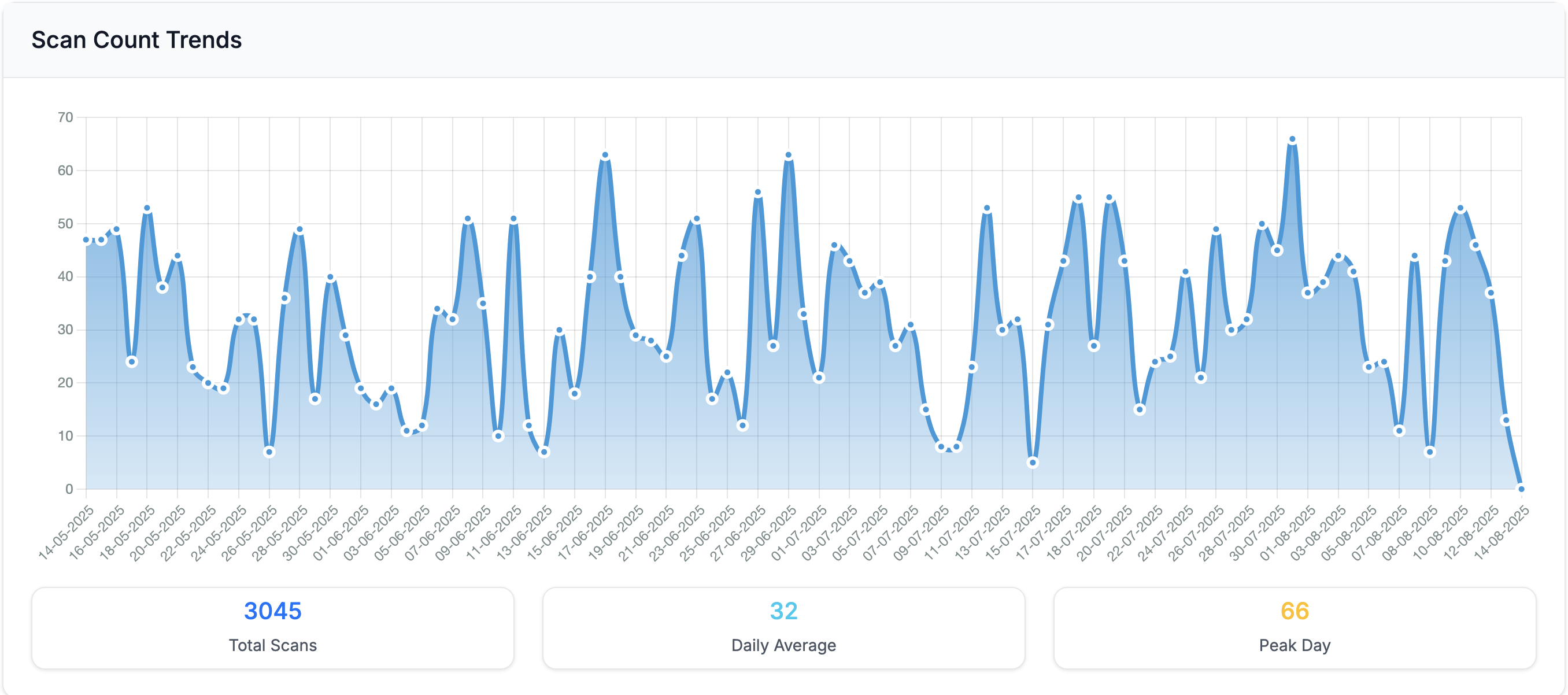
Once your sign is up, the data starts flowing. You'll see every scan in your QR Insights dashboard, complete with timing, location data, and device information.
Pro Tip: The ability to update the destination URL without changing the physical QR code means you can refresh content, add open house dates, reduce the price, or switch to a "Sold STC" page – all without reprinting your sign.
Analytics That Matter for Estate Agents
But the benefits extend far beyond convenience. With QR Insights' tracking capabilities, estate agents gain unprecedented visibility into their marketing effectiveness. This isn't just about counting scans – it's about understanding buyer behaviour at a granular level.
Timing Insights
You can see exactly when people scan your codes, identifying peak interest times. Are most scans happening during evening dog walks? Weekend drives? School run times? This data helps you optimise everything from sign placement to viewing schedules. If you notice heavy scanning on Sunday afternoons, that might be the perfect time to host an open house.
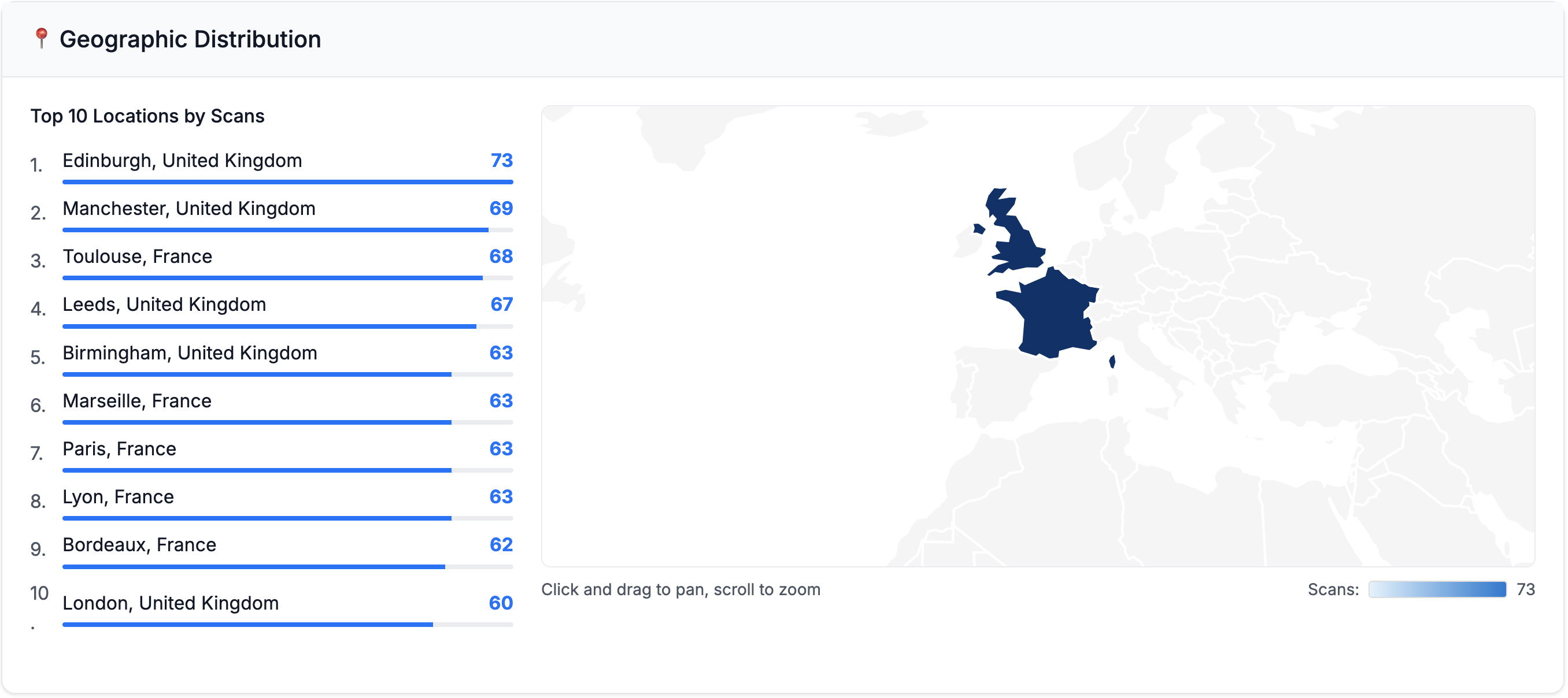
Location Patterns
Understanding where scanners are coming from reveals valuable market intelligence. Are most interested parties local or from outside the area? This information can shape how you market the property and what aspects of the listing to emphasise.
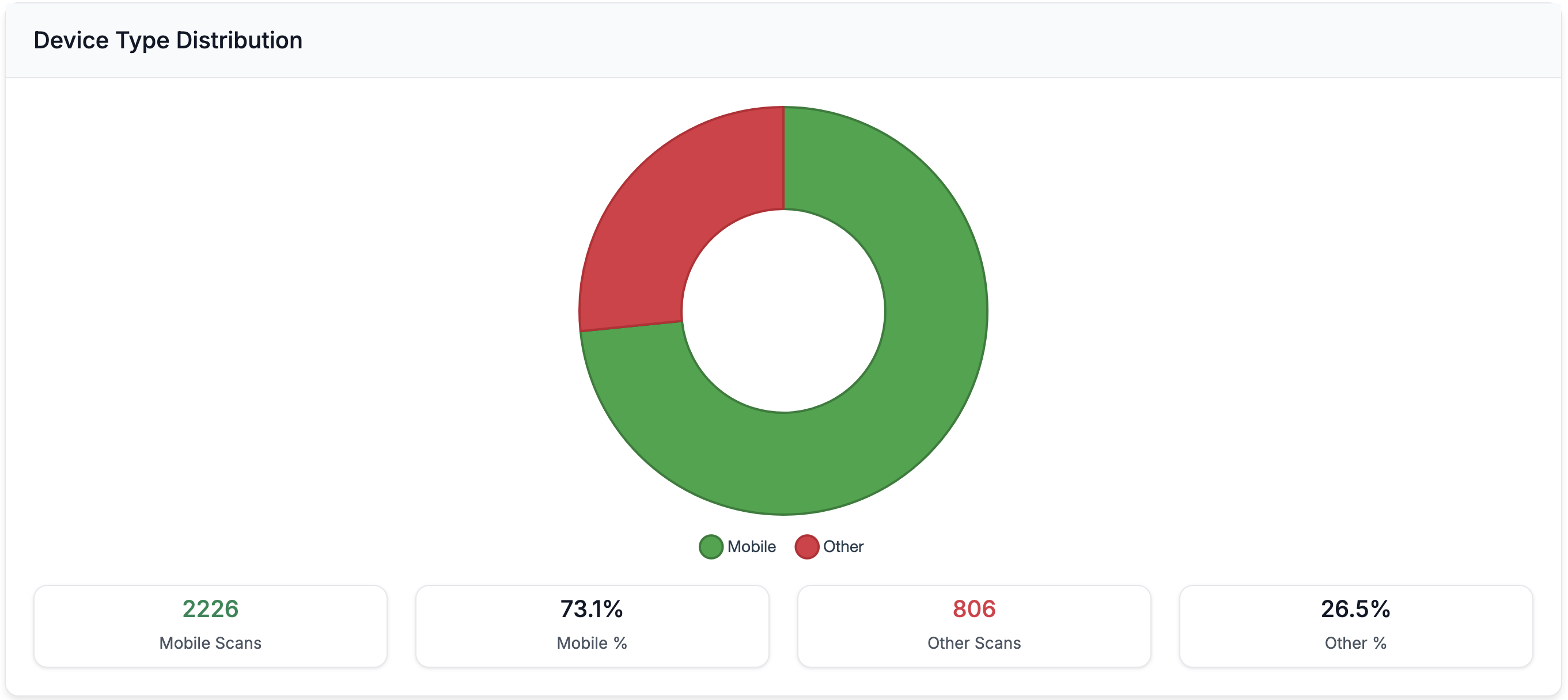
Device Analytics
Knowing whether your audience primarily uses iPhones or Android devices might seem trivial, but it informs decisions about landing page optimisation and can indicate demographic patterns about your potential buyers.
Comparative Performance
When you're managing multiple listings, QR analytics let you compare performance across properties. Which locations generate the most interest? Which property types attract more scanners? This intelligence helps you advise vendors on pricing and marketing strategies.
Gaining Competitive Advantage
Consider the competitive advantage this provides. While other agents rely on interested parties remembering to search later, your properties remain literally at their fingertips. Buyers can save the link, share it with partners, or revisit it multiple times. Each scan provides valuable data about sustained interest levels, helping you identify serious buyers versus casual browsers.
When a property receives multiple scans from the same user over several days, that's a strong buying signal. You can prioritise follow-up with these engaged prospects and potentially accelerate the sales process.
A/B Testing Your Marketing
QR codes also enable sophisticated marketing experiments. You can A/B test different landing pages to see what converts best – perhaps video tours work better for modern apartments while traditional photo galleries suit period properties. You might test different calls-to-action on your signs, or experiment with QR code placement positions.

Measuring ROI on Your Marketing
For the first time, estate agents can measure the actual engagement generated by their physical signage. If a property sign costs £50 and generates 200 scans over its lifetime, that's 25p per engaged prospect – likely far more cost-effective than most digital advertising.
This data also helps justify marketing spend to vendors. Rather than simply reporting that a sign has been installed, you can show exactly how many people engaged with their property listing and when interest peaked.
Common Questions Answered
Will people actually scan the QR code?
QR code usage has surged dramatically since 2020. Research shows that over 80% of smartphone users have scanned a QR code, and the technology is now familiar to buyers across all age groups.
What if someone doesn't have a smartphone?
Your traditional contact details should still appear on the sign. The QR code is an additional engagement option, not a replacement for phone numbers.
How do I explain this to older vendors?
Focus on the benefits: more engaged viewers, better data about interest levels, and the ability to update information without reprinting signs. Most vendors appreciate agents who embrace modern marketing techniques.
The Future of Property Marketing
For forward-thinking estate agents, QR codes represent more than just a convenience feature – they're a complete reimagining of how property marketing works in the digital age. By bridging the physical and digital worlds seamlessly, you're not just making it easier for buyers to find information; you're creating a data-rich ecosystem that continuously improves your marketing effectiveness while delivering exceptional customer experience.
The agents who adopt these tools now will build valuable datasets about buyer behaviour in their local markets, giving them insights that competitors without tracking simply cannot access. In an industry where local knowledge is everything, QR analytics add a powerful new dimension to your market intelligence.